
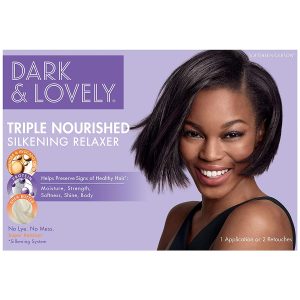





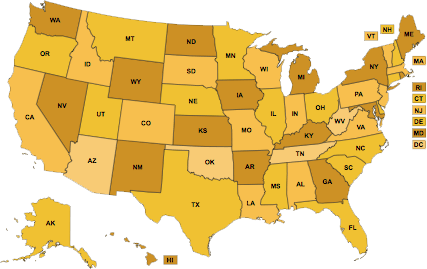


Our lawyers are reviewing hair relaxer cancer lawsuits for women across the United States. These claims involve women who used chemical hair relaxers or hair straighteners for years and were later diagnosed with uterine cancer, including endometrial cancer, ovarian cancer, or serious uterine fibroids that led to a hysterectomy.
The federal hair relaxer litigation included 12,381 pending lawsuits as of October 1, 2026. The cases are moving through expert discovery and bellwether preparation in the Northern District of Illinois. This litigation has been going on for years, but there is still no global hair relaxer settlement or MDL payout program. That does not mean our lawyers are not bullish on these cases. We are. It is just moving slowly, which is how it goes sometimes in the MDL mass torts. We still expect a favorable global settlement when all is said and done.
The strongest cases generally involve frequent, long-term use followed by uterine or ovarian cancer, a clear product history, and substantial treatment or reproductive injury.