




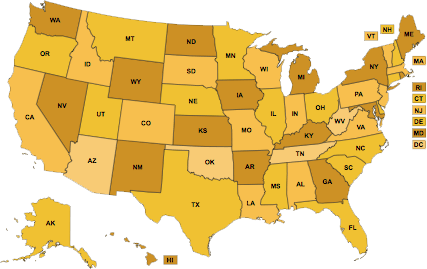
United States of America

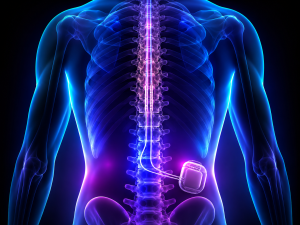
A spinal cord stimulator is an implantable medical device used to manage chronic pain, most often involving the back or spine. These systems are marketed as a way to reduce pain by interrupting nerve signals before they reach the brain. But for a growing number of patients, the device does not just fail to help. It introduces new and sometimes permanent problems, including electrical shocks, burning pain, infections, lead migration, hardware failure, and repeat surgeries to reposition or remove equipment that was supposed to improve quality of life.

This page explains spinal cord stimulator lawsuits and why they are being filed nationwide. It focuses on what patients are alleging, how these devices have failed in real-world use, and why many of these cases go beyond ordinary medical malpractice claims. The most serious lawsuits do not center on a single surgical mistake. They examine how modern spinal cord stimulators were designed, tested, and approved, and whether patients were ever adequately warned about the risks that now recur repeatedly in medical records and FDA reports.

Many people arrive here with a practical question in mind: what do spinal cord stimulator settlement amounts look like, and how does compensation get calculated when a device causes lasting harm? That question cannot be answered in isolation. Settlement amounts and payouts are driven by the full medical timeline, including the cost of repeat surgeries, explantation, permanent loss of function, and the downstream consequences when a pain-management device leaves someone worse off than before it was implanted.

Our lawyers are handling baby powder lawsuits in all 50 states in 2026. The talcum powder lawsuits against Johnson & Johnson have been ongoing for years. The lawsuits allege that prolonged use of talcum powder (or “talc”), the active ingredient in products such as Baby Powder and Shower to Shower, can cause ovarian cancer in some women.

This page provides an update on J&J talc powder litigation and discusses the settlement amounts in ovarian cancer lawsuits for victims.

Has the deadline passed for you to file a talcum powder lawsuit? Many who assume the statute of limitations has passed to sue Johnson & Johnson may be wrong. But as we write this in January 2026, his settlement has blown up, and we are back at it. We are still signing up new clients, but this may not last much longer. Call us today at 800-553-8082 or get a free and quick case review online.

Dupixent (dupilumab) is a biologic medication used to treat atopic dermatitis, asthma, and other inflammatory conditions. It works by targeting specific immune pathways involved in allergic inflammation. For many patients with moderate to severe eczema, Dupixent has provided relief where topical medications failed. As a result, it has become one of the most widely prescribed biologic drugs for skin and respiratory conditions.

But for a growing number of patients, the experience with Dupixent has been very different. Over the past several years, doctors and researchers have reported cases in which patients treated with Dupixent were later diagnosed with cutaneous T-cell lymphoma, a rare form of non-Hodgkin lymphoma that primarily affects the skin. These reports have led to increasing scrutiny of whether Dupixent can worsen, accelerate, or mask CTCL in certain patients.

Lawyers across the country are now reviewing Dupixent lawsuits on behalf of patients who developed CTCL, mycosis fungoides, or Sézary syndrome after receiving Dupixent injections.

This page is about social media addiction lawsuits and who is eligible to bring a claim. Our lawyers also provide the latest news on social media class action lawsuits (including the ongoing trial in California).

The problem that led to social media lawsuits is that millions of people, too many of whom are children, are addicted to social media platforms such as Facebook, Instagram, Snapchat, and others. For these vulnerable users, social media addiction can be very harmful and lead to things like eating disorders, depression, and, in some cases, suicide.

Now, these companies are facing a wave of new social media lawsuits alleging that they knowingly designed the algorithms of their platforms to lure young people into harmful addictions.

The Bard PowerPort (“BardPort”) is a port catheter device implanted just under the skin to allow for easy attachment to a catheter for the intravenous delivery of fluids or medication.

The Bard PowerPort has inherent design and manufacturing flaws that make the device prone to fracturing and migrating out of position. This can cause severe injuries, including internal vascular damage.

Individuals who suffered injuries due to a defective Bard PowerPort device are now bringing product liability lawsuits against the manufacturer of the PowerPort implants. Our firm is currently accepting new cases from anyone who had a Bard PowerPort port catheter device implanted and was injured due to a fracture, migration, or other implant failures.

Between 2013 and 2024, contaminated Olympus duodenoscopes infected hundreds of patients at hospitals across the United States. At least 35 people died. The infections were caused by drug-resistant bacteria that no antibiotic could reliably kill. The patients had gone into the hospital for routine diagnostic procedures–gallstone evaluations, pancreatic biopsies, bile duct imaging–and came out with infections that would destroy their organs, land them in intensive care for months, or kill them outright.

The remarkable part is not that it happened. Medical devices fail. Infections occur. What makes the Olympus duodenoscope litigation extraordinary is that the company knew. Olympus knew its scopes could not be adequately cleaned. Olympus knew that bacteria were surviving the sterilization process and spreading from patient to patient. Olympus knew that people were dying. And for years, the company did almost nothing.

This page explains what went wrong, why it went wrong, and the legal options available to patients and families harmed by contaminated Olympus scopes. It is long. It is detailed. It is written for people who want to understand not just the claims being filed, but the science, the regulatory failures, and the corporate decisions that turned a solvable engineering problem into a public health catastrophe.

This page provides Camp Lejeune lawsuit updates. Our lawyers are still working to give the latest update on the litigation, even though we are no longer taking new cases. Why? Because there is little information out there, and we are staying with victims, including those we do not represent, until the end.

We have also recently reopened the comments below to answer any questions you may have or simply give you a chance to share your thoughts.

Continue reading

Our lawyers handle Paraquat lawsuits in all 50 states. This page provides the latest news and updates on Paraquat lawsuits in both state and federal courts. We also give our perspective on where this litigation is heading and provide projected settlement payouts for a viable Paraquat lawsuit. Continue reading

Uber is facing one of the largest waves of passenger sexual assault lawsuits in U.S. history. Survivors across the country allege that Uber drivers sexually assaulted them and that the company is legally responsible because it failed to screen drivers properly, ignored prior complaints, and did not implement basic safety measures.

These claims are now consolidated in In re: Uber Technologies Inc., Passenger Sexual Assault Litigation (MDL No. 3084) in the Northern District of California. As of March 2026, more than 3,700 plaintiffs in 30 states have joined the MDL, with this number expected to continue rising throughout 2025.

The first MDL trial started in January 2026, the jury came back in early February with an $8.5 million verdict.  Our lawyers believe these are exceptionally strong cases. The evidence points to a pattern: repeated warnings about dangerous drivers, no action from Uber, and preventable assaults that followed. In the courtroom, that is the kind of timeline juries understand and respond to. It is also the kind of fact pattern that can lead to substantial Uber sexual assault settlement amounts.